

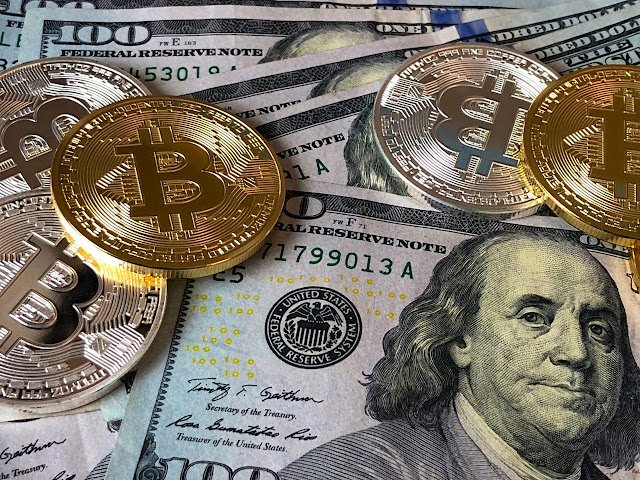

De-dollarization is the process by which countries reduce the use of the USD
in international trade, investment, and reserve holdings. The motivation for
this shift is primarily geopolitical and stems from two key factors:
A.
Geopolitical Weaponization (The Sanctions Risk)
The most potent driver is the US’s
increasing use of financial sanctions and the exclusion of nations from the SWIFT
messaging system (which facilitates USD transfers).
- The Russia Precedent:
The freezing of Russian central bank assets following the 2022 invasion of
Ukraine demonstrated to other countries (especially China, Iran, and
Venezuela) that dollar assets can be instantly weaponized. This created a
clear incentive to diversify away from the dollar to protect national
wealth. - Motivator:
Financial autonomy and reduced vulnerability to US foreign policy.
B.
The Rise of Emerging Economies and New Blocs
Global economic power is shifting,
and major trading blocs are challenging the traditional US-led financial
system.
- BRICS Expansion:
The BRICS group (Brazil, Russia, India, China, South Africa, plus new
members like Saudi Arabia, Iran, and UAE) is actively seeking to increase
trade settled in member currencies, often via bilateral agreements,
bypassing the dollar. - China’s RMB Push:
China is the primary challenger. It actively promotes the
internationalization of its currency, the Renminbi (RMB),
particularly through its Belt and Road Initiative (BRI) and by
increasing oil purchases priced in RMB.
Evidence of Diversification, Not Collapse
While “de-dollarization”
makes headlines, the current evidence points more toward diversification
and the fragmentation of the global financial system, rather than a
rapid abandonment of the dollar.
*
Trade Settlements are Fragmenting
- Bilateral Trade:
Countries like India and Russia have significantly increased trade settled
in rupees and rubles, and China has signed major energy contracts priced
in RMB. This reduces dollar dependency for those specific trading pairs. - Local Currency Use:
The use of the dollar in cross-border payments has slightly declined,
while the use of the euro and, most significantly, the RMB has grown from
a very low base.
*
Reserve Holdings are Diversifying
- The dollar’s share of global central bank reserves has
slipped from over 70% in 2000 to around 58% currently. This decline
is notable but gradual, largely benefiting the Euro and
non-traditional reserve assets like gold and the
Canadian/Australian dollar, not solely the RMB.
Crucially, the Chinese Renminbi
still accounts for less than 3% of global reserves. The RMB is hampered by China’s own financial controls, lack
of full capital account convertibility, and insufficient rule of law, which
prevents central banks from fully trusting its liquidity.
What Happens Next? The Three Possible Futures
The future is unlikely to be one of
binary collapse or continued status quo. The financial system is moving toward
a more multipolar structure.
1.
The Multipolar Currency World (Most Likely)
Instead of one dollar ruler, the
world splits into multiple currency blocs reflecting geopolitical interests.
- USD Bloc:
North America, Western Europe (via the Euro), and core US allies. - RMB/BRICS Bloc:
China, Russia, Iran, and nations heavily reliant on the BRI. - Neutral Bloc:
Countries like India and Brazil continue to use a mix of local currencies,
the dollar, and gold, maintaining flexibility. - Impact:
This raises transaction costs and financial complexity but reduces any
single nation’s systemic risk.
2.
The Digital Currency Challenge
The rise of Central Bank Digital
Currencies (CBDCs) poses a long-term, non-geopolitical threat.
- China’s Digital Yuan (e-CNY): If China successfully integrates its digital currency
into cross-border trade, it could offer a highly efficient, direct payment
alternative that bypasses the need for the US-controlled SWIFT system,
accelerating de-dollarization for trade. - Tokenization:
The use of blockchain technology to facilitate tokenized assets and
instant settlement could erode the need for large pre-funded dollar
accounts, challenging the core liquidity pillar of the USD.
3.
Structural Stability Prevails (Status Quo)
The threat dissipates, primarily due
to the lack of a viable alternative.
- The TINA Problem (There Is No Alternative): Despite their intentions, no other country—especially
not China—is willing to allow its currency to fluctuate freely or provide
the global liquidity depth necessary to replace the dollar. - US Resilience:
The US maintains its leadership in technology and innovation, and its
democratic institutions remain fundamentally sound compared to many
challengers, preserving investor trust.
Conclusion
The US dollar is not on the verge of
losing its supremacy, but its exorbitant privilege is shrinking. Geopolitical
tensions are forcing nations to proactively manage their dollar exposure,
accelerating a long-term trend toward diversification. The future points not to
a collapse, but to a more complex, fragmented, and multipolar financial
landscape where the dollar remains the most important reserve currency,
but no longer the only one that truly matters.
Quality Assurance: At our platform, we combine cutting-edge AI insights with
human expertise. While this article utilized AI tools for initial research,
every recommendation and insight has been manually verified by our experts to
ensure it meets our high standards of quality and helpfulness.

