

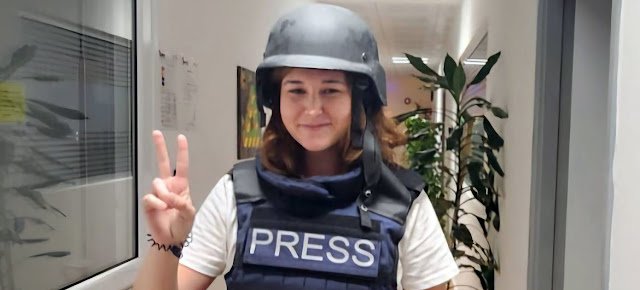

Covering violent events like protests and wars is a crucial but inherently
dangerous job. Field journalists and reporters must adhere to stringent safety
protocols and ethical guidelines to ensure their own well-being and
maintain the integrity of their reporting. This article outlines the golden
rules and essential advice for operating effectively and responsibly in
high-risk environments.
Safety First: Pre-Assignment Preparation and Field Conduct
The primary rule is always “No story is worth your life.”
Preparation and constant situational awareness are your strongest defenses.
1. Pre-Deployment Planning (Know Before You Go) 🗺️
·
Risk Assessment:
Conduct a thorough risk assessment of the area. Understand the factions
involved, their history with the press, potential flashpoints, common riot
control tactics (like tear gas or kettling), and local laws regarding
journalism.
·
Safety Training:
Complete Hostile Environment and First Aid Training (HEFAT). This is
non-negotiable for conflict zones, teaching crucial skills like trauma first
aid, navigating minefields, and handling abduction scenarios.
·
Logistics and
Communications:
o
Establish a clear
communication plan with your newsroom or a designated contact. Agree on
regular check-in times and clear signals for distress or extraction.
o
Carry multiple forms of
ID and press credentials (preferably laminated) and a printed list of
emergency contacts (editor, lawyer, embassy).
o
Have a contingency fund
(cash) and an evacuation plan with at least two different exit routes.
·
Gear Check:
o
Wear appropriate
personal protective equipment (PPE): a vest and helmet clearly marked
“PRESS,” protective goggles, a gas mask/respirator, and practical,
close-toed footwear for quick movement.
o
Carry a grab bag
with a basic first-aid kit, water, high-protein snacks, a flashlight, and a
portable charger for your phone.
o
Do not wear clothing that
mirrors a particular faction (e.g., all black in a protest).
2. Situational Awareness (The Buddy System) 👀
·
Stay Vigilant:
Practice situational awareness at all times. Constantly scan your
surroundings, look for changes in the crowd’s mood, and identify potential
threats or safe havens (like a sturdy building or wall).
·
Work in Teams:
Whenever possible, operate using the buddy system. Working with another
journalist (even from a rival outlet) provides an extra set of eyes, mutual
protection, and immediate first aid capability.
·
Maintain Distance:
Position yourself on the edges of crowds, not in the middle where you’re
vulnerable to being crushed or trapped (kettled). Stay clear of chokepoints and
front lines.
·
Follow Orders
(Sensibly): Comply promptly and calmly with dispersal orders from law
enforcement. Display your press credentials prominently and state clearly that
you are a journalist. Arguing can escalate an already tense situation.
·
“Blend or Be
Visible”: Be prepared to adapt your visibility. In some conflict
areas, being clearly marked as PRESS is the best deterrent. In others, a low
profile is safer. Your pre-assignment assessment should guide this decision.
Ethical Imperatives: Reporting with Integrity and Compassion
The need for safety must never compromise the journalist’s duty to report
the truth fairly and accurately.
3. Reporting Objectively and Accurately ✍️
·
Verify Everything:
In chaotic environments, rumors are rampant. Verify and attribute all
information before reporting it. Be skeptical of official claims and crowd
estimates from all sides.
·
Use Neutral Language:
Avoid subjective or loaded adjectives. Describe actions and scenes factually—report
what you see, not what you feel. For example, instead of “a huge
mob,” say “a crowd that fills a two-block area.”
·
Contextualize:
Provide historical and political context for the violence to help the
audience understand why the event is occurring. Avoid reducing complex conflicts
to simplistic, two-sided narratives.
·
Maintain Independence:
Do not become a tool or mouthpiece for any side—military, government, or
protesting group. Your loyalty is to the public interest.
4. Minimizing Harm and Protecting Sources 🛡️
·
Do No Harm: Practice
the principle of “minimizing harm.” Be sensitive when dealing
with victims of tragedy, grief, or trauma. Be judicious about identifying
minors, sexual assault victims, or criminal suspects before formal charges.
·
Reporter, Not Rescuer:
Your role is to observe and report, not to intervene. Intervening can
skew the story, endanger you and your team, or compromise your impartiality.
·
Protect Digital Assets:
Secure your communications and work product. Use encrypted tools for
sensitive communication (e.g., Signal). Avoid posting real-time location data
online.
·
Source Protection:
Protect your sources, especially local fixers or contacts who may face severe
reprisals. Encrypt all identifying data related to them. Have a backup plan to
protect your footage/notes if your gear is seized (e.g., carrying a
“dud” memory card).
Psychological Health: A Long-Term Rule
Reporting on violent trauma takes a serious mental toll. Recognizing and
addressing this is essential for a sustained career.
5. Mental Well-being and Trauma Resilience 🧠
·
Self-Care: Recognize
the signs of stress and trauma. Make time to rest, hydrate, and eat.
·
Debriefing: Talk
about your experiences with a trusted colleague, editor, or mental health
professional. Many news organizations now offer trauma counseling resources;
use them.
·
Know Your Limits:
It’s okay to take a step back. Don’t suppress emotional reactions;
prolonged exposure to traumatic events without processing can lead to long-term
psychological distress.
By meticulously following these golden rules—prioritizing personal safety,
adhering to high ethical standards, and looking after mental health—field
journalists can bear witness to the most difficult stories while upholding the
integrity of their indispensable profession.

