

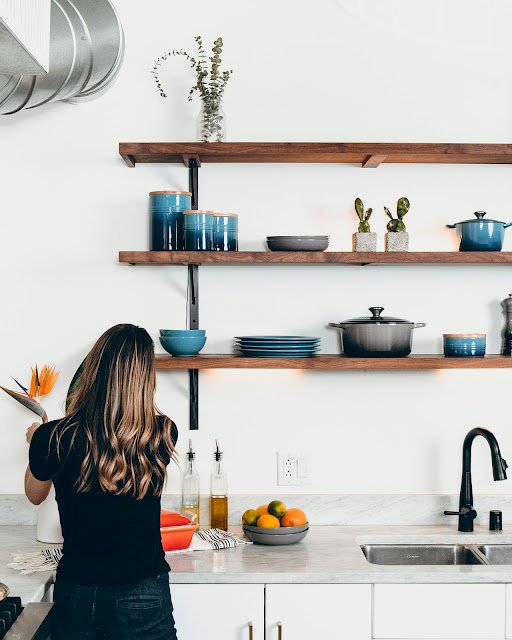

Organize your home

The feeling of a perfectly
organized, clutter-free home is universally desirable. It’s more than just a
clean aesthetic; a well-organized space is a foundation for a calmer, more
productive, and less stressful life. Studies consistently show that clutter
is linked to increased stress (cortisol) levels and difficulty focusing.
If you look around your home and
feel overwhelmed—by overflowing drawers, piles of laundry, or an explosion of
kitchen gadgets—you are not alone. Clutter accumulation is a natural byproduct
of modern life, but breaking the cycle is entirely possible.
This comprehensive, long-form guide
will equip you with the best home organization tips and actionable decluttering
strategies to transform your space, maintain order, and reclaim your peace
of mind. Let’s dive into how to create the harmonious, organized home you’ve
always dreamed of.
The
Psychology of Clutter: Why Decluttering is Essential
Before tackling the mess, it helps
to understand why clutter is such a drain on your mental and physical energy.
The visual chaos of a disorganized home creates a constant, low-level stress
for your brain, hindering your ability to relax and focus.
The
Proven Benefits of an Organized Home
- Reduced Stress and Anxiety: A clear space equals a clearer mind. Removing visual
noise lowers your overall stress hormones. - Improved Focus and Productivity: With fewer distractions, your brain is better able to
concentrate on tasks, whether that’s working from home, preparing a meal,
or enjoying a book. - More Free Time:
Less time spent looking for misplaced items means more time for things you
love. An organized system is a time-saver. - Sense of Control:
Gaining mastery over your physical environment creates a powerful sense of
control that can positively influence other areas of your life. - Financial Clarity:
Decluttering often reveals items you forgot you owned, reducing the
likelihood of buying expensive duplicates.
🛠️
Phase One: The Fundamental Decluttering Strategies
Before you can organize, you must
ruthlessly declutter. Organization is simply finding a proper home for things
you genuinely use, need, or love. Don’t organize the clutter—eliminate it
first.
H3:
The “Keep, Toss, Donate/Sell” Method
This classic strategy works best
when tackling a single, manageable area (a drawer, a shelf, or a small closet).
You will need four labeled containers:
- 🗑️ TOSS:
Anything broken, expired, stained, or non-recyclable. - 🎁 DONATE/SELL: Items in good condition you no longer use, need, or
love. - 📦 RELOCATE:
Items that belong in another room but ended up in your current space. - ✅ KEEP:
Items you use regularly and value. These are the only items you will be
organizing.
H3:
The 90/90 Rule for Decision Making
When facing an item you’re unsure
about, ask yourself two simple questions:
- Have I used this item in the last 90 days? (3 months)
- Will I use this item in the next 90 days?
If the answer to both is no,
it’s a strong candidate for the Donate/Sell pile. Note: Seasonal
items like holiday decor or winter coats are natural exceptions.
H3:
The One-In, One-Out Rule
To prevent clutter from returning,
adopt a strict maintenance habit. For every new item that comes into
your home, an old, comparable item must leave. For example, when you buy a new
sweater, donate an old one. This simple rule ensures your belongings never
outgrow your designated storage space.
🏠
Phase Two: Room-by-Room Organization Tips
Once the initial decluttering is
complete, it’s time to establish efficient, sustainable organizational systems
in key areas of the home.
H3:
The Heart of the Home: Kitchen Organization
The kitchen is a notorious clutter
hot spot, often accumulating mail, expired food, and rarely-used gadgets.
- Pantry Power:
Decant dry goods (pasta, rice, flour, cereal) into clear, airtight
containers and label them. This saves space, looks aesthetically
pleasing, and prevents pests. - Vertical Storage:
Use risers and tension rods inside cabinets to stack plates and
create vertical storage for cutting boards, baking sheets, and lids. - The Drawer Divide:
Use adjustable drawer dividers for cutlery, utensils, and junk
drawers. This stops items from shifting and ensures everything has a designated
spot. - FIFO Method:
Practice “First In, First Out” for food storage. Place newer
items behind older items in your pantry and fridge to ensure nothing
expires unseen.
H3:
The Sanctuary: Bedroom and Closet Organization
A disorganized closet can make
getting ready stressful, while a cluttered nightstand disrupts sleep.
- Closet Curation:
Use matching slim-line hangers to visually calm your closet and
save space. Organize clothes by type (shirts, pants, dresses) and then by
color. - The Folding Revolution: Master a space-saving folding technique (like the
KonMari method) to store clothes vertically in drawers. This allows you to
see every item at a glance. - Under-the-Bed Storage: Utilize the unused space under your bed with shallow,
rolling containers for seasonal clothing or extra linens. - Nightstand Nerves:
Keep your nightstand surface clear. Limit it to three items: a lamp, an
alarm clock, and a book. Store lotions, remotes, and other essentials in
the drawers.
H3:
The High-Traffic Zone: Entryway and Living Room
The entryway is the gatekeeper of
your home, and the living room is where clutter loves to migrate.
- The Drop Zone:
Create a designated “drop zone” immediately inside the main
door. This could be a console table with a tray for keys and wallets, and
a basket for incoming mail. Handle mail immediately—toss junk, file
important papers. - Contain the Visual Chaos: Use decorative storage solutions like ottomans
with hidden storage, attractive woven baskets, or closed-door TV consoles
to hide blankets, toys, remotes, and charging cables. - The 2-Minute Rule:
If a task takes less than two minutes (like putting a book back on the
shelf, hanging a coat, or wiping a counter), do it immediately.
This prevents micro-clutter from turning into a major mess.
H3:
The Digital Age Mess: Office and Paper Organization
Paperwork is one of the most common
causes of surface clutter.
- Go Digital Where Possible: Scan and save important documents (receipts,
warranties, manuals) in organized digital folders. Opt for e-billing and
digital statements. - The Filing System:
For necessary hard copies, invest in a simple, labeled filing system
(e.g., Taxes, House, Medical, Kids). Process paper once a
week—don’t let it pile up. - Cord Control:
Use velcro ties, cord wrappers, or decorative boxes with small
holes to manage the sprawl of chargers and electronics cables.
🎯
Phase Three: Essential Organization Tools and Habits
Smart organization relies on the
right tools and, more importantly, consistent habits.
H3:
Must-Have Organization Products
Product Type | Use Case | Key Benefit |
Clear, Airtight Containers | Pantry, fridge, dry goods | Maximizes vertical space; visual inventory; seals |
Adjustable Drawer Dividers | Kitchen, office, dresser drawers | Creates designated spots for small items; prevents |
Woven Baskets/Decorative Bins | Living room, shelves, closets | Hides visual clutter; adds aesthetic appeal; perfect for |
Matching Slim-Line Hangers | Wardrobes and Closets | Saves space; creates a unified, calm visual in the closet. |
Label Maker/Chalkboard Labels | Bins, boxes, file folders | Ensures everything is returned to its correct |
H3:
Daily and Weekly Maintenance Habits
- The Evening Tidy:
Spend 10-15 minutes every evening doing a “reset.” Clear all
surfaces (kitchen counters, coffee table, nightstands) and return stray
items to their designated homes. - Designated Homes:
Every single item you keep must have a specific “home.” If it
doesn’t, it will become clutter. - Weekend Deep Dive:
Dedicate one hour each weekend to a specific maintenance task—e.g., going
through the entryway basket, decluttering the fridge, or tidying the linen
closet.
❓
Frequently Asked Questions
Q1:
I’m too overwhelmed to start. Where is the best place to begin?
A:
Start small! Trying to tackle the whole house at once leads to burnout. Pick
the smallest, easiest area first, like a single junk drawer or the bathroom
cabinet. Getting a quick “win” will give you the motivation and
momentum to tackle larger spaces.
Q2:
How do I get my family to help keep the house organized?
A:
Involve them in creating the systems. Assign specific, clear “homes”
for their items (e.g., a specific basket for each child’s toys). Use the “Reset”
concept—make the 10-minute evening tidy a mandatory family activity.
Consistency and clear expectations are key.
Q3:
What is the biggest mistake people make when organizing?
A:
The biggest mistake is buying organization products before decluttering.
You will end up organizing things you don’t even need, wasting time and money.
Always follow the rule: Declutter First, Measure Second, Buy Organization
Solutions Last.
Q4:
How often should I declutter?
A:
Regular maintenance is better than sporadic marathon sessions. Practice the “One-In,
One-Out” rule daily and conduct a focused, “annual purge”
(like spring cleaning) where you check your major storage areas (attic, garage,
deep closets).
Conclusion:
Living the Clutter-Free Life
Achieving a well-organized home is
not a destination but a continuous journey built on small, consistent habits.
By implementing these home organization tips—starting with ruthless decluttering,
establishing logical room-by-room systems, and maintaining a mindful daily
reset—you are not just cleaning your house; you are investing in your
mental clarity and overall well-being.
Take that first small step today.
Choose one drawer, one shelf, or one surface, and apply the principles you’ve
learned. The feeling of calm and control you gain will be the catalyst for
transforming your entire living space into a truly stress-free sanctuary.

