


Introduction
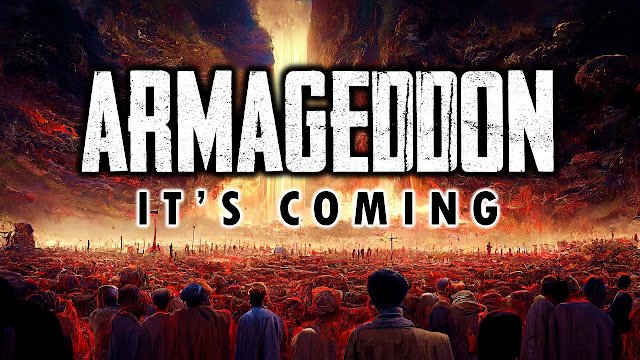
Armageddon
is a term steeped in religious and cultural significance. Primarily derived
from the biblical Book of Revelation, it has ignited imaginations and sparked
debates for centuries. While its core meaning lies within a specific
theological context, the concept has transcended religious boundaries,
permeating popular culture and inspiring a wide range of interpretations. This
article delves into the origins of Armageddon, the beliefs associated with it,
and the diverse perspectives that have shaped its understanding.
Armageddon: A Biblical Battleground
The term
“Armageddon” originates from the Greek form of the Hebrew word
“Har Megiddo,” meaning “Mount Megiddo.” Megiddo was an
ancient city located in the Jezreel Valley of Israel, a site of numerous
historical battles. In the Book of Revelation, Armageddon is depicted as the
location of a cataclysmic final battle between the forces of good and evil,
culminating in the ultimate victory of God.
Who Believes in Armageddon?
While
the concept of Armageddon is most prominently associated with Christian
eschatology, it has also influenced other religions and belief systems.
- Christianity: Within Christianity, primarily among
evangelical and fundamentalist denominations, Armageddon is seen as a
literal, future event that will herald the Second Coming of Christ and the
establishment of God’s Kingdom on Earth. - Other Religions: Some interpretations of Islamic,
Jewish, and other religious texts have also incorporated elements of a
final, cataclysmic battle into their eschatological beliefs. - Popular Culture: Armageddon has become a pervasive
theme in popular culture, often depicted in films, books, and video games
as a global catastrophe or apocalyptic event.
What Will Happen at Armageddon?
Theological
interpretations of Armageddon vary widely, but common elements include:
- Cosmic Battle: A final confrontation between good
and evil, often involving supernatural forces. - Global Catastrophe: Natural disasters, plagues, and
widespread destruction. - Judgment Day: A divine reckoning of humanity,
leading to the salvation of the righteous and the condemnation of the
wicked. - New Heaven and New Earth: The creation of a perfect, eternal
world.
It’s
important to note that these are general descriptions, and specific beliefs
about Armageddon can differ significantly among individuals and groups.
Conclusion
Armageddon
has evolved from a biblical reference to a complex and multifaceted concept
with far-reaching cultural implications. While its core meaning remains rooted
in religious eschatology, its interpretation has been shaped by various
factors, including historical, theological, and cultural influences.
Whether
viewed as a literal event, a symbolic representation, or a cautionary tale,
Armageddon continues to captivate the human imagination and provoke questions
about the ultimate destiny of humanity.

