

achawari.com
Ethical consumption has moved from niche concern to mainstream expectation. By 2026, consumers are more informed, regulators are more active, and brands are louder than ever about sustainability. Yet the same forces have fueled greenwashing—marketing that exaggerates, misleads, or selectively frames environmental claims. This guide explains how greenwashing works today, why it persists, and—most importantly—how to spot it with confidence in 2026.
What Is Greenwashing (and Why It Still Works)?
Greenwashing occurs when a company presents itself as environmentally responsible without meaningful action to back it up. It works because:
- Information overload blurs the line between verified data and marketing spin.
- Vague language (“eco-friendly,” “natural,” “planet positive”) sounds reassuring but proves little.
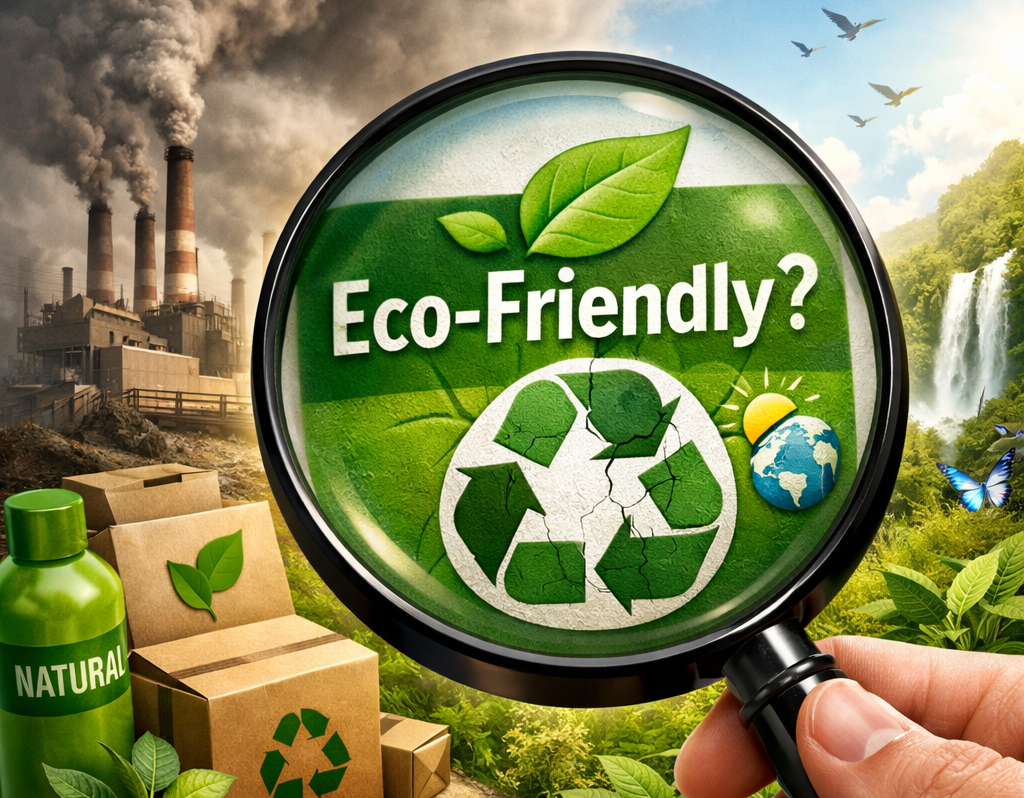
- Visual cues (green colors, leaves, earth icons) trigger trust without evidence.
- Partial truths highlight one improvement while hiding bigger harms.
In 2026, greenwashing is subtler: brands often cite selective metrics, proprietary labels, or aspirational “net-zero pathways” without transparent baselines.
Why Ethical Consumption Matters in 2026
Ethical consumption influences supply chains at scale. Consumer demand now affects:
- Climate impact (energy sources, emissions, waste)
- Labor practices (wages, safety, child labor risks)
- Biodiversity (deforestation, water use, chemical runoff)
Regulators and watchdogs are responding, but enforcement varies by region. That makes consumer literacy essential.
10 Practical Ways to Spot Greenwashing in 2026
1) Watch for Vague or Undefined Claims
If a product says “sustainable” without specifying how, it’s a red flag. Look for clear scope, methods, and timeframes.
2) Demand Evidence, Not Aspirations
Phrases like “on a journey to net zero” are plans, not proof. Credible claims cite audited data and progress reports.
3) Check the Whole Lifecycle
A recyclable package doesn’t offset a high-emission manufacturing process. Ethical consumption evaluates materials, production, transport, use, and disposal.
4) Verify Certifications (and Who Runs Them)
Third-party standards matter—but only if they’re independent and transparent. Beware of in-house badges that mimic real certifications.
5) Beware of Irrelevant Claims
“CFC-free” on products where CFCs are already banned adds no value and signals marketing fluff.
6) Look for Comparable Metrics
“30% less plastic” is meaningless without a baseline. Less than what, and measured how?
7) Read the Sustainability Report—Briefly but Critically
Scan for scope (Scope 1–3 emissions), targets vs. results, and external audits. Missing Scope 3 data is a common omission.
8) Follow Independent Watchdogs
Organizations like Greenpeace often publish investigations that cut through PR narratives.
9) Understand Regulatory Signals
In the U.S., guidance from the Federal Trade Commission and similar bodies elsewhere increasingly shapes what brands can legally claim. Enforcement actions are telling.
10) Compare Across the Category
Ethical consumption is relative. If peers disclose more data or achieve better outcomes at similar prices, marketing alone won’t suffice.
Common Greenwashing Tactics to Recognize
- Selective disclosure: Highlighting one green feature while ignoring major impacts.
- Proprietary labels: Logos created by the brand itself.
- Offset overreliance: Carbon offsets without emissions reduction plans.
- Aesthetic signaling: Heavy use of green imagery with light documentation.
What Credible Sustainability Looks Like in 2026
- Standardized reporting aligned with recognized frameworks (e.g., International Organization for Standardization methodologies where applicable).
- Third-party audits with publicly accessible summaries.
- Time-bound targets paired with year-over-year results.
- Supply-chain transparency down to raw materials where feasible.
A Simple Consumer Checklist
Before buying, ask:
- Is the claim specific and measurable?
- Is there independent verification?
- Does it cover the full lifecycle?
- Are trade-offs acknowledged?
- Can I compare it with alternatives?
If the answer to two or more is “no,” proceed cautiously.
The Role of Technology (Pros and Limits)
QR codes, blockchain traceability, and AI summaries can help—but only if the underlying data is real. Treat tech as a tool, not a guarantee.
Conclusion
Ethical consumption in 2026 isn’t about perfection; it’s about discernment. Greenwashing thrives where claims are vague and scrutiny is low. By demanding clarity, verification, and comparability, consumers can reward genuine progress and push the market toward real sustainability—one informed choice at a time.
