

 |
| Work from Home and be Happy |
The shift to working from home
(WFH) has brought unprecedented flexibility—but also a unique set of
challenges. For many, the comfort of the couch quickly turns into a breeding
ground for distractions, making it difficult to maintain the focus and
productivity of an office setting. While the allure of a no-commute,
pajama-friendly workday is strong, achieving success in a remote work
environment requires intentional structure, discipline, and the right
strategies.
This long-form, comprehensive guide
provides the most effective WFH tips to help you build a system that
supports peak performance, eliminates the constant pull of home-life
distractions, and ensures you not only meet but exceed your professional goals.
🛠️
Section 1: Establishing a Productive Remote Work Environment
Your physical surroundings play a
crucial role in your ability to stay focused and enter “work
mode.” Creating a dedicated space is the first and most vital step toward
maximizing your work-from-home productivity.
Create
a Dedicated Home Office Space
The biggest mistake a remote worker
can make is working from the same space they relax in, like the bed or the
living room sofa. This blurs the mental line between work and leisure, making
it harder to switch off at the end of the day and harder to focus during the
day.
- Physical Separation:
Ideally, choose a room with a door that you can close. If a dedicated room
isn’t available, use a screen, shelf, or piece of furniture to visually
and mentally separate your workspace from the rest of your home. - Optimal Ergonomics:
Invest in an ergonomic setup. A comfortable chair, a desk at the correct
height, and a monitor positioned at eye level are non-negotiable for
long-term health and preventing fatigue. Fatigue is a silent killer of WFH
productivity. - Minimize Visual Distractions: Keep your desk clear of non-work-related clutter. A
minimalist environment supports a minimalist, focused mind. Only have what
you need for the immediate task at hand.
Optimize
Your Home Office for Focus
Once you have the space, optimize it
for maximum concentration. This includes light, sound, and a strong internet
connection.
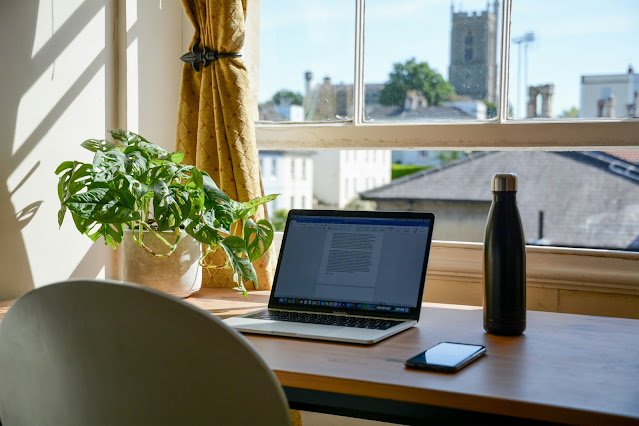
- Natural Light and Air: Position your desk near a window to take advantage of
natural light, which is proven to boost mood and alertness. Ensure good
ventilation, as stale air can contribute to lethargy and brain fog. - Manage Noise Levels:
Determine if you need silence or white noise. For some, noise-canceling
headphones and a curated productivity playlist are essential work-from-home
tips. For others, absolute silence is key. Communicate your
“quiet hours” to others in your household. - Tech Check:
A reliable, fast internet connection is your lifeline. Ensure your Wi-Fi
router is in a central location or consider a Wi-Fi extender. Have backup
chargers and power strips readily available to prevent sudden
interruptions.
⏰
Section 2: Mastering Time Management and Routine
Without a boss physically checking
in, self-discipline and a clear routine are the anchors of successful remote
working. Your daily schedule needs structure to replace the natural
structure of a traditional office.
Stick
to a Consistent Daily Schedule
Your biological clock thrives on
consistency. Maintaining a routine helps your brain signal when it’s time to be
productive.
- The “Commute” Replacement: Create a morning routine that mimics the
preparation for a regular workday. Get dressed, have breakfast, and engage
in a short activity like a walk or meditation before sitting down
at your desk. This ritual signals the start of your work block. - Set Clear Office Hours: Define a specific start and end time, and communicate
these boundaries to colleagues, family, and friends. The freedom of remote
work can quickly turn into always working if you don’t set a
hard cut-off time. - Plan the Night Before: End your day by creating a short, prioritized to-do
list for the next morning. This allows you to hit the ground running and
avoid wasting precious morning focus time trying to decide what to work
on.
Implement
Effective Productivity Techniques
Adopt proven methods to structure
your workday and dedicate time for deep, focused work.
- The Pomodoro Technique: This simple yet powerful time management method
involves working intensely on a single task for a set period (e.g., 25
minutes), followed by a short break (e.g., 5 minutes). After four
“Pomodoros,” take a longer break (20–30 minutes). This method
helps combat burnout and maintains high-level concentration. - Time Blocking for Deep Work: Use your calendar to assign specific, large blocks of
time for your most critical tasks. Treat these blocks as immutable
appointments. Turn off all notifications during these periods—this is your
deep work time, where the most meaningful and impactful work gets
done. - Prioritize Ruthlessly: Use the Ivy Lee Method or the Eisenhower
Matrix (Urgent/Important) to determine your top 3-5 tasks for the day.
Always tackle the most difficult or important task first (often called “Eat
the Frog”). Success early in the day builds momentum for the rest
of your schedule.
🧘
Section 3: Combating Distractions and Maintaining Focus
Distractions are the greatest enemy
of WFH productivity. Unlike the office, home distractions are personal
and often feel urgent—the laundry, the pet, the dishes, or the endless scroll
of the internet.
Minimize
Digital Distractions
Your computer and phone are primary
tools but also the most potent sources of distraction.
- Notification Lockdown: Turn off non-essential notifications on your phone,
computer, and tablet during focused work blocks. Use the ‘Do Not
Disturb’ feature aggressively. The only notifications that should get
through are for truly urgent, work-critical communication. - Leverage Website Blockers: Use browser extensions or applications (like Freedom
or Cold Turkey) that block distracting websites (social media, news sites)
for set periods. This removes the temptation of mindless browsing. - Separate Browsers or User Profiles: If possible, use one browser (or user profile)
strictly for work and another for personal use. This simple separation
helps to maintain a mental boundary and reduces the chance of stumbling
onto a personal distraction while you should be working.
Manage
Household and Personal Interruptions
Setting boundaries with the people
and things you share your home with is essential for sustained focus.
- Set Clear Boundaries with Family/Roommates: Communicate your working hours and the meaning of a
closed door or wearing headphones. Use visual cues, like a small “On
Air” sign on your door, to signal when you are in a deep work
session and should not be disturbed except in an emergency. - Batch Personal Tasks:
The urge to quickly do a load of laundry or empty the dishwasher can be
intense. Save these small chores for your scheduled breaks or lunch hour,
not as an escape from a difficult task. Batching helps you avoid
context switching, which is incredibly draining on mental energy. - Stay Hydrated and Nourished: Skipping meals or forgetting to drink water is a
common WFH trap. Keep a water bottle on your desk and pre-prepare healthy
snacks and lunch. Low blood sugar and dehydration are guaranteed ways to
lose focus and trigger a dip in WFH productivity.
🤝
Section 4: Communication, Breaks, and Wellness
Sustainable remote work isn’t
just about output; it’s about balance and connection. Ignoring your physical
and mental well-being is the fast track to burnout, which will
inevitably destroy your long-term productivity.
Prioritize
Connection and Communication
While you need uninterrupted time,
you also need to maintain team cohesion and prevent isolation—a major challenge
of remote work.
- Over-Communicate:
Since you can’t rely on body language or casual hallway chats, make sure
your communication is clear and proactive. Provide regular updates to your
team and manager about your progress and availability. - Schedule Quick Check-ins: Use quick video calls (even five minutes) for
collaboration or social connection. Seeing a face, rather than just
reading an email, helps build rapport and combat the feeling of isolation. - Define Channels:
Use different communication platforms for their intended purpose:
Slack/Teams for quick questions, email for non-urgent information, and
video calls for complex discussions. This minimizes notification fatigue
and keeps communication organized.
Don’t
Skip Your Breaks
Breaks are not a luxury; they are a
necessary component of high-level performance and sustained focus.
- The Power of Movement: Stand up, stretch, and move your body every hour. A
standing desk or simply taking a short walk is vital. The human body is
not designed to sit for eight hours straight. - Lunch Break Away from the Desk: Step away from your workspace entirely for your lunch
break. Eat away from your desk, go outside, and mentally disconnect. This
allows your brain to fully recharge before the afternoon work session. - Micro-Breaks for Eye Health: Follow the 20-20-20 Rule: Every 20 minutes,
look at something 20 feet away for at least 20 seconds. This prevents eye
strain, headaches, and mental fatigue associated with prolonged screen
time.
Guard
Your Work-Life Boundary
One of the greatest benefits of working
from home—flexibility—can become its greatest curse if you let work seep
into every corner of your life.
- The End-of-Day Ritual: Create a ritual to signify the end of the workday.
Close your computer, switch off your office light, put away your notes,
and take a few minutes to transition. This formal closure helps you
mentally “commute” out of work mode. - Set Tech Curfews:
Avoid checking work email or messages outside of your set work hours. The
expectation that you are “always on” is a direct route to
burnout. Your time off the clock is just as important for your long-term
productivity as your time on the clock. - Plan Non-Work Activities: Schedule personal activities (hobbies, exercise,
family time) into your calendar. These are just as important as your work
tasks because they are what fuel your mental and emotional well-being,
directly impacting your ability to stay focused tomorrow.
🎯
Conclusion: Your Blueprint for Sustained WFH Success
Achieving exceptional work-from-home
productivity is a marathon, not a sprint. It’s not about working harder;
it’s about working smarter by creating an environment and a routine that
supports your natural focus.
The core of successful remote
working lies in self-discipline, the establishment of clear
boundaries, and the intentional separation of your professional life from your
personal space. By implementing these structured WFH tips—from designing
an ergonomic and distraction-free home office to mastering time blocking and
prioritizing mental wellness—you can transform your remote arrangement from a
productivity challenge into a powerful opportunity for sustained focus, higher
output, and a healthier work-life balance.
Start small: pick two tips from this
guide to implement today, and build on that success week after week. Your
productive, distraction-free work-from-home life is within reach.
Quality Assurance: At our platform, we combine cutting-edge AI insights with human expertise. While this article utilized AI tools for initial research, every recommendation and insight has been manually verified by our experts to ensure it meets our high standards of quality and helpfulness.

