
Valley of the Wolves: The Story Behind the Turkish Series About the Intelligence Wars in the Middle East

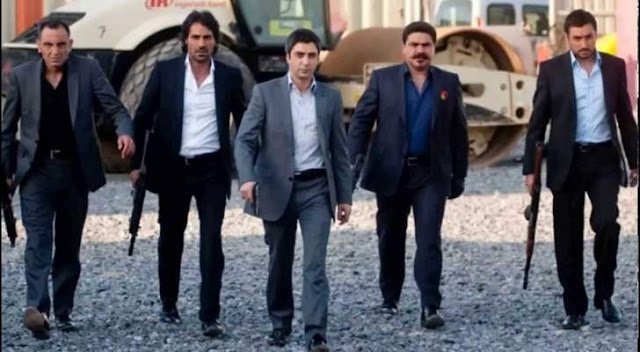
 |
| Valley of the Wolves |
Valley of the Wolves (Kurtlar
Vadisi) stands as one of the most daring
and controversial television productions in Turkey’s history. It tackled
sensitive themes such as the deep state, mafia networks, intelligence operations,
international conspiracies, and geopolitical rivalries in the Middle East.
Over the years, the series evolved
into a cultural and political phenomenon across Turkey and the Arab world due
to its intense realism and bold exposure of hidden power structures.
The Origin of the Story: Between Reality and Fiction
The concept behind Valley of the
Wolves emerged from the desire to reveal the hidden ties between the
Turkish deep state and organized crime, as well as to shed light on files
that were off-limits in Turkish media for decades:
- Intelligence operations
- Weapons and drug trafficking networks
- Secret negotiations between state officials and mafia
groups - U.S. and international influence over Turkey
- The covert power struggle inside the state
Although the series is not a direct
documentary, its events were heavily inspired by real scandals such as the Susurluk
Affair, which exposed links between politicians, police forces, and mafia
leaders.
Main Characters and Their Historical & Security
Backgrounds
1.
Polat Alemdar (Murad Alamdar) — The Deep State’s Warrior
Polat Alemdar is a secret agent
given a new identity to infiltrate the mafia and dismantle it from within.
He embodies the idea of the “clean man” working in the shadows to maintain
national balance.
2.
Memati Baş — The Iron Fist
Memati is one of the most iconic and
beloved characters:
- Former criminal who becomes Polat’s trusted right hand
- Represents raw power used for national causes
- Inspired by real figures in Turkish organized crime
His loyalty and brutality made him a
legend among fans.
3.
Aslan Akbey — The Master Behind the Curtains
One of the wisest and most symbolic
figures:
- Represents the highest layers of the Turkish deep state
- Held responsible for secret operations beyond
government control - Symbolizes the old elite that sees itself as the true
protector of the state
He is a strategic mastermind who
shaped the direction of the entire story.
4.
Uncle Zaza — The Alternative Power
A charismatic and dangerous Kurdish
mafia leader:
- Controls weapons and drug routes
- Smart, unpredictable, and darkly comedic
- Represents the socio-political tension between
different ethnic powers in Turkey
His presence added depth, humor, and
intensity.
5.
Ersoy — The Embodiment of Pure Evil
A mafia leader with complex
psychological traits:
- Backed by international intelligence networks
- Uses violence and political manipulation
- Symbolizes shadowy foreign agendas operating within
Turkey
He represents the “deep evil” of the
global criminal world.
6.
Abdülhey — The Loyal Protector
A symbol of loyalty, courage, and
sacrifice:
- Embodies the moral dimension of the intelligence
community - Represents the devoted agent who protects the nation
silently
Secret Organizations in the Series
1.
The Elders (İhtiyarlılar) — The Hidden Government
One of the most important elements
of the show:
- A secret council of powerful figures
- Operates above parliament and the elected government
- Controls major national security decisions
They represent the heart of the
Turkish deep state system.
2.
The Red Book — The Hidden Constitution of the State
In real Turkish politics, the “Red
Book” is the National Security Policy Document.
In the series, it symbolizes:
- The deepest classified secrets of the Turkish state
- National red lines
- The strategic doctrine followed by intelligence
agencies
It is the invisible law that governs
the power struggle.
The Middle Eastern Conflict and Intelligence Wars
The series boldly depicted real
geopolitical tensions:
1.
Turkish–American Conflict
Valley of the Wolves strongly criticized U.S. policies, especially after the
Iraq invasion.
2.
The Role of Mossad
Presented as a major player aiming
to destabilize the region and challenge Turkish influence.
3.
Iraq and Syria as Intelligence Battlefields
The show linked Turkish secret
operations with real events in Iraq and Syria.
4.
The New Middle East Project
The story addressed the “Greater
Middle East Project” and the attempt to redraw regional borders.
Cinematic Creativity in the Series
The show was revolutionary for its
time:
- High-quality action sequences
- Realistic shooting locations
- Politically charged dialogues
- Excellent production value
- Legendary soundtrack that became a cultural symbol
Its characters were crafted with
psychological depth and symbolic meaning.
Why Was Valley of the Wolves So Popular in Turkey and
the Arab World?
1.
Unprecedented Realism
People felt the show was revealing
what truly happens behind closed doors.
2.
Iconic Characters
Polat, Memati, Abdülhey, Uncle
Zaza—each became unforgettable.
3.
Reflecting Middle Eastern Realities
The Arab audience connected deeply
with the political themes.
4.
Courage in Criticizing Powerful Institutions
No other series dared to expose
intelligence and deep-state conflicts as boldly.
Why Did the Series Stop?
1.
Real Political Pressure
The show touched on highly sensitive
intelligence and geopolitical topics.
2.
Changes in Turkey’s Political Climate
Media restrictions increased, making
such shows difficult to produce.
3.
Legal Production Issues
Trademark and ownership disputes
affected the continuation.
4.
Exhaustion of the Main Storyline
After more than 300 episodes,
maintaining the same intensity became challenging.
Will Valley of the Wolves Return?
Rumors and leaks suggest:
- Necati Şaşmaz (Polat Alemdar) wants to revive the
series - A new season may reflect post-2020 global geopolitics
- Old characters like Abdülhey may return
However, no official confirmation
has been released.
Conclusion
Valley of the Wolves is more than a television series; it is a political and
cultural document exposing intelligence operations, deep-state structures, and
the fierce struggle for dominance in the Middle East.
With its deep symbolism and
legendary characters, it remains one of the most influential productions in
Turkish and Arab entertainment history.
Quality Assurance: At our platform, we combine cutting-edge AI insights with
human expertise. While this article utilized AI tools for initial research,
every recommendation and insight has been manually verified by our experts to
ensure it meets our high standards of quality and helpfulness.

