Weaponizing the Semiconductor: The New Geopolitics of Silicon in 2026

Achawari.com
The silicon wafer—thinner than a human hair and more complex than a city—has officially replaced oil as the world’s most contested resource. In 2026, the “Geopolitics of Silicon” is no longer a boardroom discussion about logistics; it is a front-line strategy of economic warfare where a single export license can halt a superpower’s AI ambitions.
The Shift: From Global Integration to Strategic Enclaves
For decades, the semiconductor industry thrived on a “produce anywhere, deliver everywhere” model. However, 2026 marks the definitive end of this era. Driven by the rivalry between Washington and Beijing, the world has fractured into technological “enclaves.”
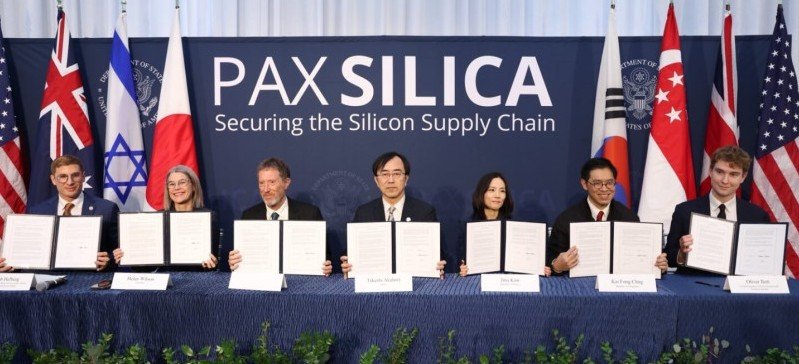
Governments are now treating semiconductors as critical infrastructure, similar to power grids or water supplies. The U.S. CHIPS Act and the European Chips Act have funneled hundreds of billions into domestic manufacturing, but the goal isn’t just production—it’s denial. By weaponizing the semiconductor, states are using their control over “bottleneck technologies” (like EUV lithography or advanced GPU architectures) to ensure that adversaries remain generations behind in military and generative AI capabilities.
2026 Export Controls: The Case-by-Case Battlefield
A pivotal shift occurred in early 2026 when the U.S. Bureau of Industry and Security (BIS) moved from a “presumption of denial” to a rigorous “case-by-case” review for advanced AI chips. Under new regulations, chips like the NVIDIA H200 can be exported to China only if they meet strict “U.S. Supply Certifications,” ensuring domestic needs are met first.
This “Silicon Diplomacy” creates a transactional landscape:
- Revenue Sharing: Some exports are now permitted in exchange for a percentage of revenue paid back to the state—a 25% tariff model designed to fund domestic R&D.
- The Helium Crisis: Supply chain weaponization isn’t just about the chips themselves. In March 2026, disruptions in the Strait of Hormuz led to a critical helium shortage, proving that the silicon industry is vulnerable at the raw material level.
- Sovereign AI: Nations are now building “Sovereign AI” clouds using only domestically produced or “trusted” silicon to prevent foreign backdoors and ensure data integrity.
Strategic Resilience: How to Navigate the Silicon Cold War
As semiconductors become tools of coercion, businesses and policymakers must adapt to a “K-shaped” expansion where growth is high in AI-driven segments but volatile in traditional markets. To remain Google AdSense compliant and industrially competitive, organizations are prioritizing the following:
- Geographical Diversification: Moving beyond Taiwan and South Korea to include hubs in India, Vietnam, and the EU.
- Technological Sovereignty: Investing in open-source architectures like RISC-V to bypass traditional licensing chokepoints.
- Strict Compliance Frameworks: Implementing “Know Your Customer” (KYC) protocols for compute-as-a-service to prevent unauthorized military use of exported chips.
The geopolitics of silicon in 2026 is a game of endurance. The side that can maintain its economic tolerance and supply chain integrity the longest—while denying its rival the same—will dictate the digital future.
