


Sleep is essential
for our physical and mental health. When we don’t get enough sleep, we can
experience a number of problems, including fatigue, irritability, difficulty
concentrating, and impaired judgment. In the long term, sleep deprivation can
increase our risk of developing serious health problems, such as heart disease,
stroke, and diabetes.
will discuss the importance of sleep and the consequences of sleep deprivation.
We will also provide tips for getting a good night’s sleep.
important?
Sleep is essential for maintaining a healthy immune system, preventing heart
disease, stroke, and type 2 diabetes. It also helps regulate blood pressure and
cholesterol levels.
is essential for maintaining good mental health. It helps regulate emotions,
improve mood, and reduce stress. When you don’t get enough sleep, you’re more
likely to experience anxiety, depression, and irritability.
Sleep is essential for optimal cognitive function. It helps improve memory,
attention, and concentration. When you don’t get enough sleep, you’re more
likely to make mistakes, have difficulty learning, and have slower reaction
times.
need?
you need varies depending on your age and individual needs. Most adults need
around 7-8 hours of sleep per night. However, some people may need as little as
6 hours or as much as 9 hours.
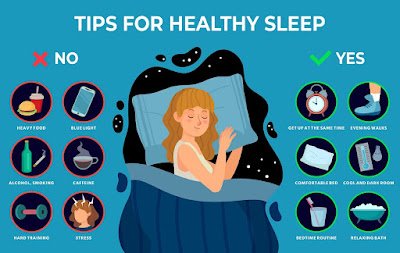
good night’s sleep:
sleep schedule: Go to bed and wake up at the same time each day, even on
weekends. This will help to regulate your body’s natural sleep-wake cycle.
bedtime routine: This could include taking a warm bath, reading a book, or
listening to calming music. Avoid using electronic devices in the hour before
bed, as the blue light emitted from these devices can interfere with sleep.
bedroom is dark, quiet, and cool: This will create an environment that is
conducive to sleep.
alcohol before bed: Caffeine can stay in your system for several hours and make
it difficult to fall asleep. Alcohol may make you feel drowsy at first, but it
can disrupt your sleep later in the night.
Exercise can help to improve sleep quality. However, avoid exercising too close
to bedtime, as this can make it difficult to fall asleep.
have trouble sleeping: If you have trouble falling asleep or staying asleep, or
if you feel tired even after getting enough sleep, see a doctor to rule out any
underlying medical conditions.
improving sleep:
sunlight during the day: Sunlight helps to regulate your body’s natural
sleep-wake cycle.
the day: Napping can make it difficult to fall asleep at night.
Eating a healthy diet can help to improve sleep quality. Avoid eating large
meals or sugary snacks before bed.
can interfere with sleep. Find healthy ways to manage stress, such as yoga,
meditation, or spending time in nature.
is essential for your overall health and well-being. By following these tips,
you can improve your sleep quality and reap the many benefits of a good night’s
sleep.

