
Ten Sobering Realities: Navigating the Complexities of Sub-Saharan Africa

achawari.com
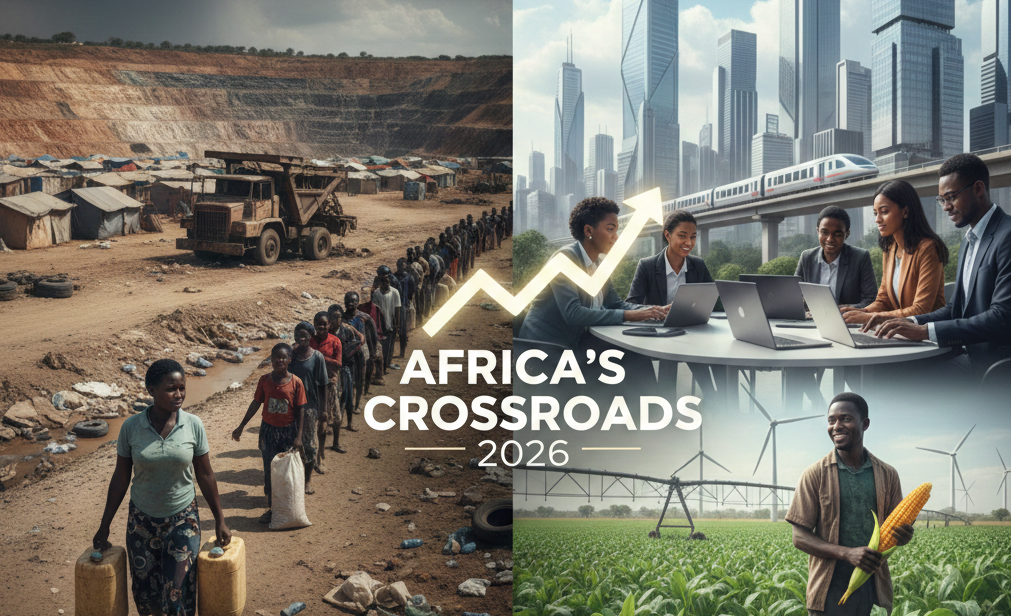
Sub-Saharan Africa is a land of immense potential, boasting the world’s fastest-growing working-age population and unparalleled natural wealth. However, as we move through 2026, the continent remains at a crossroads. While some nations are emerging as “lions” of industry, others are grappling with systemic hurdles that have persisted for decades.
To understand the future of the region, we must look at the “hard truths”—the structural and socio-economic realities that define the current landscape. Here are 10 critical insights into the challenges and complexities of modern Black Africa.
- The Paradox of Plenty: The “Resource Curse”
Africa holds roughly 30% of the world’s mineral reserves, yet many of its most resource-rich nations experience the slowest growth. Known as the “resource curse,” this phenomenon occurs when a reliance on raw exports (like oil, gold, or cobalt) leads to currency volatility and the neglect of other sectors like manufacturing and agriculture. In 2026, countries like the DRC and Angola continue to work toward ensuring these riches benefit the local population rather than just global supply chains.
- The Debt Refinancing “Cliff”
As of 2026, over 20 African nations are in or at high risk of debt distress. High global interest rates have made it increasingly difficult for governments to service international bonds. This “debt trap” forces many nations to spend more on interest payments than on healthcare or education, stifling the very investments needed for long-term growth.
- The Demographic Bulge: A Double-Edged Sword
Africa is the youngest continent on Earth. While this offers a massive potential “demographic dividend,” it also creates a high-pressure environment for job creation.
The Reality: By 2030, 30 million youth will enter the African labor market annually. Without a massive surge in formal industrial jobs, this youth bulge risks becoming a source of social frustration rather than economic growth.
- Persistent Extreme Poverty in a Growing Economy
Paradoxically, Sub-Saharan Africa is home to some of the world’s fastest-growing economies (such as Rwanda and Ethiopia), yet it still accounts for the majority of the world’s extreme poor. In 2026, an estimated 430 million people in the region live on less than $2.15 a day. The “truth” is that GDP growth alone is not enough; it must be inclusive to bridge the staggering inequality gap.
- The Infrastructure Gap
Reliable electricity and transport remain the “Achilles’ heel” of African development. Roughly 600 million people in Sub-Saharan Africa still lack access to electricity. This infrastructure deficit adds significant costs to doing business, making local products less competitive on the global market.
- Brain Drain: The Human Capital Flight
Every year, thousands of Africa’s most educated professionals—doctors, engineers, and tech experts—migrate to Europe, North America, and the Gulf. While remittances provide a short-term financial cushion for families, the long-term “brain drain” deprives the continent of the leadership and expertise required to build robust local institutions.
- Food Insecurity Amidst Arable Land
Africa possesses about 60% of the world’s uncultivated arable land, yet the region is a net importer of food. In 2026, climate-induced droughts and conflict-driven displacement have left over 120 million people facing acute food insecurity. Transitioning from subsistence farming to commercialized, climate-resilient agriculture remains a primary struggle.
- The “Grey Zone” of the Informal Economy
In many Sub-Saharan African nations, the informal sector accounts for over 80% of employment. While this shows incredible entrepreneurial spirit, these workers lack social protections, health insurance, and job security. Taxing this sector to fund public services without stifling its growth is a delicate balancing act that few governments have mastered.
- Erosion of Democratic Norms in Key Regions
While the early 2000s saw a wave of democratization, the mid-2020s have seen a “democratic recession” in parts of the Sahel and West Africa. Military coups and constitutional “reforms” that extend presidential terms have created political instability, which in turn scares off the long-term foreign investment needed for development.
- The High Cost of Conflict
Conflict remains one of the greatest obstacles to African prosperity. Beyond the tragic loss of life, wars in regions like Sudan and the eastern DRC destroy infrastructure and displace millions. The “black truth” is that peace is a prerequisite for any meaningful economic statistics to take root; without security, the best economic policies cannot be implemented.
Conclusion: The Path Forward
Acknowledging these truths is not an exercise in pessimism, but a necessary step for authentic development. The rise of the African Continental Free Trade Area (AfCFTA) and a new generation of “digitally native” entrepreneurs suggest that Africa is finding its own solutions to these age-old problems. By addressing debt, investing in youth, and stabilizing governance, the continent can turn its “hard truths” into a foundation for a resilient future.
