
By Ahmed Jalali
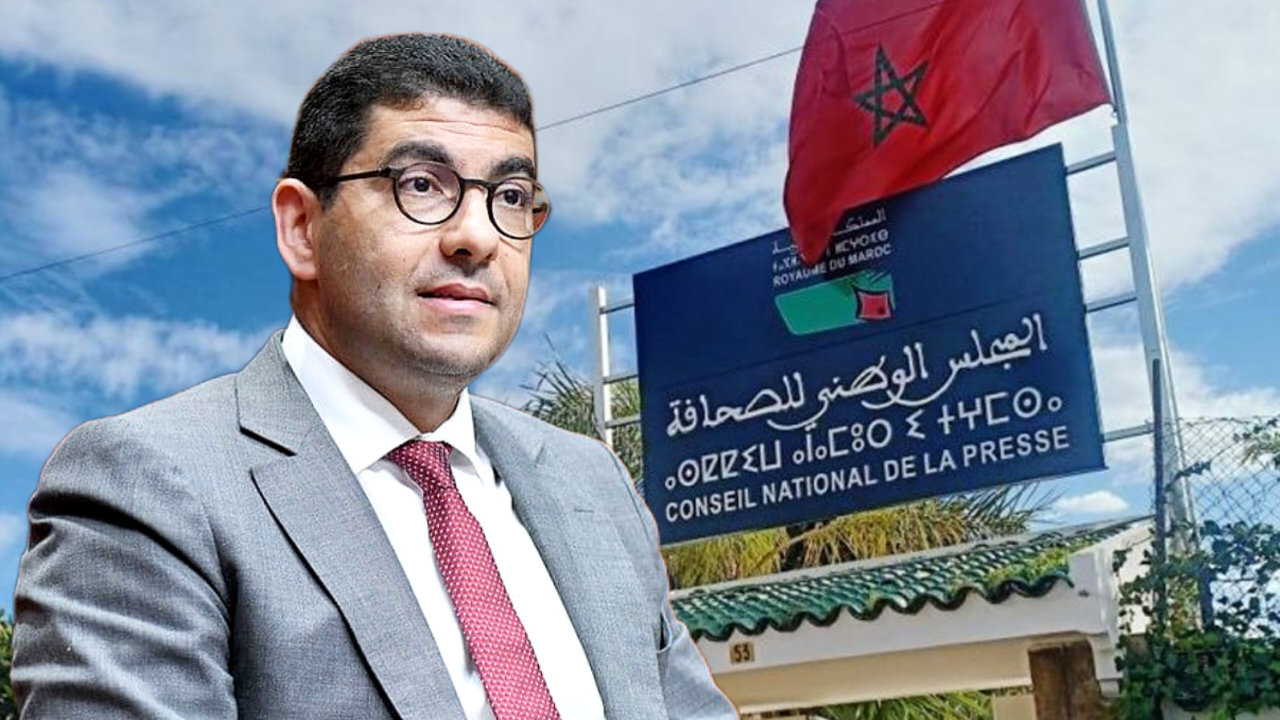
The media, human rights, and judicial landscape in Morocco was struck by a devastating earthquake following the circulation of a leaked video, known in the media as the “Mahdaoui Video Scandal”. This recording, attributed to a meeting of the Ethics and Disciplinary Affairs Committee of the Interim Moroccan National Press Council (CNP), exposed practices and conversations that violate the most basic standards of integrity and impartiality. This ignited a storm of controversy and criticism that targeted the very core of the self-regulation of the press and the reputation of institutions.
The Video and Its Circumstances:
The roots of the scandal trace back to the Moroccan journalist Hamid El Mahdaoui, who published an audio and video recording of a closed-door meeting of the Ethics and Disciplinary Affairs Committee of the Interim CNP on his YouTube channel. The meeting was intended to discuss disciplinary issues, including a case related to Mahdaoui himself.
The Core Shock and the Leak
The recording revealed candid, unprofessional side conversations among committee members, which included:
- Insulting Language and Concepts: The use of inappropriate and unprofessional language when describing journalists and colleagues in the sector, reflecting “intellectual emptiness and moral and legal decline,” as described by some professional bodies.
- Vindictive Thinking and Conspiracy: The discussion suggested a premeditated intention to retaliate against or condemn the journalists concerned for reasons unrelated to professional ethics, but rather for their political or professional stances. This undermines the principle of Disciplinary Justice.
- Planning the Condemnation: The recording contained phrases indicating a plan to issue verdicts against opposing journalists or those perceived as acting against the interests of the members or the entity they represent.
This leak, regardless of how it was obtained, constituted a “human rights and ethical massacre” against the profession and its principles.
Committee Members Under the Spotlight
The arrows of criticism were directly pointed at the members of the interim committee, especially those whose voices appeared or who participated in the controversial discussions within the recording. These prominently included:
- Mr. Younes Moujahid: Head of the Interim Committee for the Management of the Press and Publication Sector (the President).
- Mr. Mohamed Sellami: Head of the Ethics and Disciplinary Affairs Committee (the committee directly concerned).
- Ms. Fatima Zahra Ouriaghli: Vice President.
- Mr. Khalid El Horri: A member appointed by the Head of Government, who had a notable presence in the leaked discussions.
The interim committee responded by denying some of the accusations, claiming the statements were “fabricated and distorted,” and describing what was circulated as “an exaggeration of side talk” aimed at evading ethical accountability. However, this justification failed to quell the fire of professional and human rights outrage.
Do the Actions amount to Crimes?
The leaks raised serious questions about the legal nature of the acts committed. If the authenticity of the recordings is confirmed and they indeed contained an attempt to unduly influence disciplinary decisions or conspire to condemn journalists for non-professional reasons, this could escalate to actions necessitating a criminal investigation:
- Abuse of Influence and Harm to Public/Professional Funds: Exploiting a position within the self-regulation institution to achieve personal interests or settle scores.
- Defamation and Abuse: The words and concepts contained in the recording may constitute libel or defamation against professionals.
- Prejudicing the Course of (Disciplinary) Justice: Premeditated planning to condemn someone without impartiality is a violation of the essence of any judicial or disciplinary process.
A number of unions and bodies, notably the National Union of the Moroccan Press and the Justice and Development Party (PJD), demanded an urgent judicial investigation and accountability for the members according to the penal code, reflecting the severity of the scandal’s revelations.
Reactions to the Scandal Inside and Outside Morocco
The reactions both within and outside Morocco were widespread and severe:
In Morocco:
- Professionals: The Moroccan Federation of Newspaper Publishers described it as an “ethical massacre” and called for stopping the “scheme to hijack the sector.” Human rights and political bodies also condemned the video’s contents, considering the leaks shocking and a threat to press independence.
- Political Parties: The Justice and Development Party (PJD) expressed its “deep regret” and deemed the recording “dangerous.” Parliamentary groups also demanded explanations from the government and an investigation into the facts that affected the “judicial body, the judicial authority,” the legal profession, and the press profession.
- Calls for Dissolution: Calls intensified for the dissolution of the interim committee and the holding of new elections for the National Press Council to save what remains of the self-regulation’s credibility.
Outside Morocco:
International media outlets widely covered the scandal, highlighting the extent of fragility facing the press sector in Morocco, especially concerning the issue of self-regulation and press freedom. This has damaged the Kingdom’s reputation in global freedom reports.
The Responsibility of the Moroccan Government
Direct political and ethical responsibility rests with Aziz Akhannouch’s Government, which appointed the interim committee for the management of the press and publication sector under Law No. 15.23:
- Responsibility for Appointment: The members of the interim committee, especially those appointed by the Head of Government (such as Khalid El Horri), were supposed to be “persons widely recognized for their competence and experience.” However, the recordings showed the opposite.
- Accountability and Reform: The government, represented by the Minister of Youth, Culture, and Communication, Mohamed Mehdi Bensaid, should have launched an immediate investigation and taken drastic measures (such as dissolving the interim committee), especially since the committee was operating under an extension of its mandate.
Allowing matters to proceed without genuine accountability weakens the government’s position in supporting the principles of media independence and institutional integrity.
Repercussions of the Scandal on Institutions
The scandal had grave repercussions on the image of state institutions and democratic development:
The Image of the Judiciary in Morocco
The judiciary was particularly damaged by the conversations in the recording regarding specific legal cases, where some voices within the committee hinted at attempts to pass disciplinary decisions that might conflict or parallel judicial rulings, or insult the legal profession. This:
- Undermines confidence in the impartiality of disciplinary bodies.
- Points to an unhealthy overlap between professional agendas and political orientations, which affects judicial independence.
Impacts on Democratic Development
The National Press Council is considered a fundamental pillar of democratic development as it represents self-regulation, which is a form of professional democracy. The leak harmed:
- Press Independence: It showed that decisions might be based on conspiracy and settling scores rather than professional ethics.
- Institutional Credibility: It shook confidence in the ability of professionals to regulate their own affairs, opening the door for intervention by the state or other parties.
Impacts on the Moroccan Sahara Autonomy Project
In the context of parallel diplomacy and the Moroccan Sahara issue, Morocco strives to present a positive image of its democratic development and respect for human rights. Scandals like this:
- Weaken the Official Narrative: Morocco’s adversaries exploit these violations to undermine the Kingdom’s credibility in the fields of freedoms and self-regulation.
- Damage the External Image: They tarnish the image Morocco is keen to present as a modern state guaranteeing freedom of the press, which could affect its allies’ support for the autonomy initiative.
The Future of the National Press Council Bill
The Mahdaoui Video Scandal has put the project of self-regulation of the press in Morocco at stake. After years of efforts to establish its foundations, the ethical catastrophe threatens its collapse, raising two essential questions:
The Fate of Self-Regulation
What happened necessitates either radical reform of the National Press Council to ensure the integrity of its future members and the impartiality of its disciplinary committee, or a return to square one. Many demand transparent and urgent elections for genuine representation of professionals, instead of appointments and cronyism.
Will the CNP Bill be Withdrawn?
Amid the circulation of a new bill for the National Press Council, which many view as a “regulatory” approach granting the Council broad powers (such as website blocking) that may overstep the judiciary, the scandal increases demands for the withdrawal of the bill. How can a committee proven to conspire be trusted with the “authority to block” or “refer to the penal code”? The bill must be frozen or withdrawn and reviewed in consultation with all bodies representing journalists and publishers to save the concept of self-regulation.
What is to be done?
The leaked Mahdaoui video scandal has revealed a deep wound in the body of Moroccan journalism and its self-regulation mechanisms. This incident is not just a slip of the tongue by committee members; it is an indicator of the necessity for a comprehensive review of how the sector is managed and the ethics of the profession in Morocco.
Proposed Solutions:
- Comprehensive Judicial Investigation: Launching an independent and urgent judicial investigation into the facts revealed by the recording, determining potential criminal responsibilities, and holding all those involved accountable.
- Immediate Dissolution of the Interim Committee: Terminating the duties of the interim committee immediately to prevent further damage to the profession and Morocco’s image.
- Re-elections and Integrity Condition: Commencing preparations for transparent and fair elections for the National Press Council, with strict conditions for the ethical and professional integrity of the candidates.
- Freezing and Reviewing the Law: Freezing the new National Press Council bill and redrafting it with genuine professional consensus, focusing on supporting press freedom rather than restricting it or granting judicial powers to a non-judicial body.
- Institutional Reparation: The Moroccan state and its official institutions must work to repair the moral damage inflicted on the press profession, the judiciary, and Morocco’s reputation by supporting freedom of expression and transparency.
