

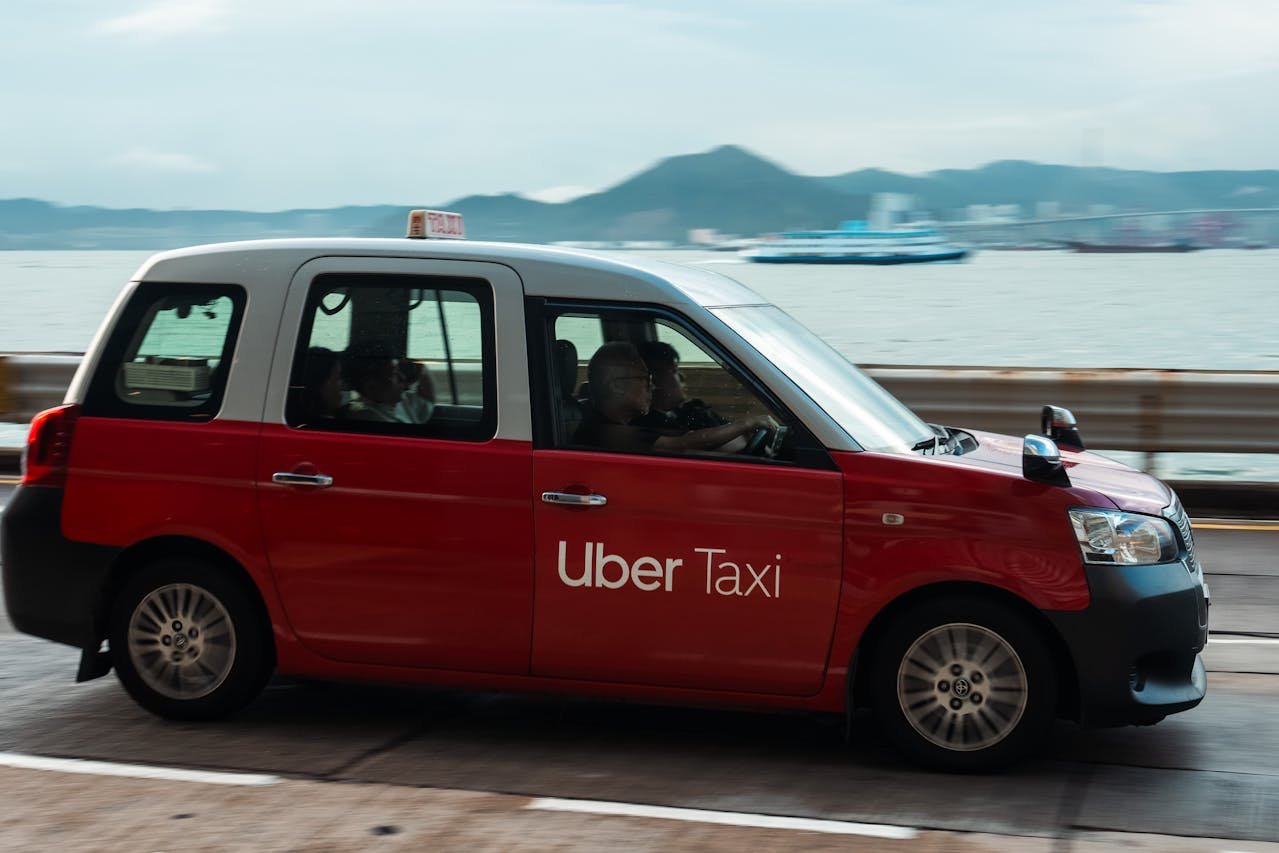
The global ride-sharing landscape has reached a boiling point in 2026. What began as a digital convenience has transformed into a complex legal battlefield. As the “VTC” (Touring Vehicle with Driver) industry matures, the friction between innovation and public safety is no longer just a boardroom discussion—it is a matter of national policy and street-level protests.
From the return of Uber to markets like Morocco to the aggressive expansion of InDrive’s “bid-and-ride” model, the debate over VTC regulation has never been more intense.
- The Safety Paradox: Technology vs. Real-World Risk
At the heart of the regulatory push are high-profile safety incidents that have shaken public trust. Despite advanced GPS tracking and in-app SOS buttons, reports of driver misconduct and road accidents continue to make headlines.
The Rise in Incidents
Statistics from 2025 indicated a 2–3% increase in urban traffic fatalities linked to the surge in ride-sharing vehicles. Regulators argue that the “gig economy” model encourages:
- Driver Fatigue: Drivers often work double shifts across multiple apps to combat high commission rates.
- Distracted Driving: Constant interaction with the app interface for new bookings increases accident risk.
- Vetting Gaps: High-profile legal cases in the US and Europe have alleged that standard background checks are insufficient to filter out high-risk individuals.
- InDrive vs. Uber: Two Models, One Regulatory Target
While Uber remains the industry titan, InDrive has disrupted the disruptors with its unique peer-to-peer price negotiation. However, this model brings its own set of regulatory headaches.
Uber’s Regulatory Fatigue
Uber has transitioned from “moving fast and breaking things” to a strategy of cautious compliance. In 2026, the company faces strict Draft Platforms Decrees in Europe, which mandate:
- Real-time data sharing with Ministries of Transport.
- Strict “return to garage” rules to prevent illegal street hailing.
- Minimum waiting times to differentiate VTCs from traditional taxis.
InDrive’s Safety Challenge
InDrive’s model allows passengers and drivers to negotiate fares. While this empowers the user, critics argue it can lead to “safety cutting.” If a fare is negotiated too low, a driver might skip vehicle maintenance or speed to squeeze in more rides. Regulators are now questioning whether “price freedom” undermines the financial stability required for safe operations.
- The Great Taxi Conflict: A Battle for the Streets
The tension between traditional taxi unions and VTC apps has reached a fever pitch. In cities like Casablanca and Paris, taxi drivers argue that apps like Uber and InDrive operate in a “legal gray area” that allows them to bypass the expensive licenses and insurance traditional drivers must carry.
| Feature | Traditional Taxi | VTC (Uber/InDrive) |
| Pricing | Regulated Meter | Dynamic/Negotiated |
| Hailing | Street & App | App-Only (Legally) |
| Licensing | Professional Permit | Variable (VTC Card/License) |
| Lane Access | Bus/Taxi Lanes | Standard Traffic Lanes |
In late 2025, the debate took a sharp turn as several countries launched formal investigations into “unfair business practices.” The core of the issue? Whether VTC platforms are “tech companies” or “transportation providers.”
- New Regulatory Standards for 2026
To bridge the safety gap, governments are introducing a new wave of mandatory requirements for all ride-sharing platforms:
- Biometric Verification: Regular “selfie” checks and fingerprinting to ensure the person behind the wheel matches the registered profile.
- Mandatory Rest Periods: Apps must now include “kill switches” that prevent drivers from accepting rides after a 10-hour shift.
- Insurance Parity: Requiring VTC drivers to carry commercial-grade insurance that matches the coverage of traditional taxis.
- Data Transparency: Platforms must provide authorities with “trip data” to help city planners manage congestion and monitor safety patterns.
Conclusion: The Road Ahead
The VTC industry is no longer the “Wild West” of transportation. As we move through 2026, the focus has shifted from growth at all costs to sustainable safety. Whether it is InDrive’s negotiation model or Uber’s corporate structure, the message from global regulators is clear: innovation is welcome, but it cannot come at the expense of passenger lives or fair competition.
Are you a frequent ride-share user? Check your app’s safety settings today to ensure features like “RideCheck” and “Trusted Contacts” are active.
