
Hong Kong: The Future of Digital Assets and Crypto-Regulation
A Global Blueprint for 2026

achawari.com
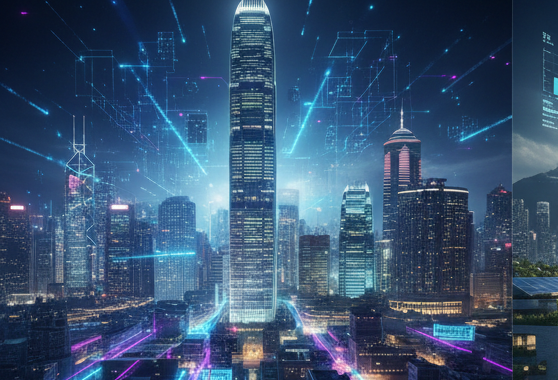
Hong Kong is rapidly reclaiming its title as the premier financial gateway to Asia, but with a sophisticated modern twist. As we navigate through 2026, the city-state has transformed itself into a global sanctuary for digital assets. This transformation is not merely a trend but a calculated shift backed by a robust, transparent, and innovative regulatory framework that attracts institutional investors, family offices, and tech visionaries from every corner of the globe.
The Strategic Pivot to Web3
While other financial jurisdictions have struggled with ambiguity and restrictive policies, Hong Kong has embraced the “Web3 Revolution” with open arms. The 2026 regulatory environment in Hong Kong is characterized by its “same activity, same risk, same regulation” approach. This principle provides the much-needed legal certainty that multi-billion dollar funds require before committing capital to the blockchain sector.
The Hong Kong Monetary Authority (HKMA) has successfully integrated digital assets into the traditional banking ecosystem. This means that for the first time, institutional traders can move seamlessly between fiat currencies and digital tokens within a single, regulated banking window. This level of integration has made Hong Kong the undisputed “liquidity bridge” between the traditional financial world and the decentralized future.
Institutional Adoption and the Tokenization of Everything
The real story in 2026 isn’t just about Bitcoin or Ethereum; it is about the Tokenization of Real-World Assets (RWA). Hong Kong has emerged as the world leader in this sector. By converting physical assets—such as luxury commercial real estate in the Central District or rare art collections—into digital tokens on a blockchain, the market has unlocked unprecedented levels of liquidity.
- Fractional Ownership: Small and mid-sized investors can now own a percentage of a high-value skyscraper in Hong Kong through regulated security tokens.
- Smart Contracts in Finance: The use of self-executing smart contracts has eliminated the need for intermediaries in complex trade finance transactions, reducing costs by up to 30% for HK-based firms.
- The Stablecoin Framework: Hong Kong’s regulated stablecoin regime ensures that every digital dollar in circulation is backed by high-quality liquid assets, providing a stable medium for daily commerce and cross-border settlements.
Investor Protection: The Gold Standard
One of the primary reasons for Hong Kong’s dominance in 2026 is its uncompromising stance on investor protection. The Securities and Futures Commission (SFC) has implemented a strict licensing regime for Virtual Asset Service Providers (VASPs). To operate in Hong Kong, exchanges must meet rigorous standards regarding capital adequacy, cold storage of assets, and anti-money laundering (AML) protocols.
These regulations have created a “safe harbor” for institutional investors who were previously wary of the “Wild West” nature of early crypto markets. In 2026, the Hong Kong “stamp of approval” is considered the gold standard for any digital asset company globally.
Bridging the Gap: China and the Global Market
Hong Kong continues to play its historical role as the gateway to Mainland China, but now in a digital capacity. While the Mainland maintains its unique stance on cryptocurrencies, it uses Hong Kong as a “controlled laboratory” for blockchain innovation. This unique position allows international investors in Hong Kong to gain exposure to Chinese blockchain technological advancements while remaining under the protection of Hong Kong’s common law legal system.
The synergy between the Greater Bay Area’s tech manufacturing prowess and Hong Kong’s financial expertise has created a powerhouse for “FinTech” development that is unmatched by London, New York, or Singapore in the 2026 landscape.
Conclusion: The Capital of the Digital Economy
As we look toward the remainder of 2026 and beyond, Hong Kong’s trajectory is clear. By combining its heritage as a global financial hub with a forward-thinking approach to digital asset regulation, it has created a sustainable and highly profitable ecosystem. For investors, the message is simple: Hong Kong is no longer just a place to trade stocks—it is the primary destination to build the future of wealth in the digital age.
